
Commercial Storm Damage in Daleville, IN
When a curtain wall or rooftop unit curb lets storm water in, Daleville Water Restoration dries what it leaves behind in Daleville.
For Commercial Storm Damage in Daleville, Daleville Water Restoration brings the equipment, the certifications, and the paperwork: 24/7 response, written scopes, and insurance claim support. Call (812) 515-1567 for dispatch.
- Service: Commercial Storm Damage for Daleville homeowners
- Service area: Daleville, IN and surrounding areas
- Response time: 24/7 live dispatch; emergency crews prioritized for Daleville
- Licensed and insured (License #RC21100059)
- Serving Daleville, IN since 2018
Commercial Storm Damage Cleanup in Daleville
After a storm hits a commercial building in Daleville, we'll cover the opening and then dry out the space underneath it.
Storms Here
Spring and summer are severe thunderstorm season here, and the occasional tornado comes with them. Large hail and damaging wind can hit here, and that puts roofs and rooftop equipment at risk. NWS Indianapolis posts summaries of past storms, which helps when your carrier asks for a date.
We respond to storm calls from businesses anywhere in Daleville, including those around Daleville Elementary School and Daleville Jr/Sr High School. We also handle commercial storm damage in Chesterfield, Anderson, Muncie and Middletown.
Commercial Storm Damage for Daleville Businesses
After a storm, the first question from an operations manager is what's sitting on the wet floor. Cardboard cartons wick water upward through their bottom layer, and electronics suffer from a thin film of it, so the order of moving things matters. Daleville Water Restoration works with your staff to lift stock and equipment clear at your Daleville property before extraction begins.
Concrete and gypcrete hold water long after a surface looks dry, so Daleville Water Restoration measures them in your Daleville building with in situ probes or a calibrated meter. Where flooring is going back down, the readings have to meet the flooring manufacturer's moisture limit before installation. Those numbers go in the file with the photos and the rest of the readings.
Equipment comes out in stages. As each area reaches its dry goal, the dehumidifiers and air movers there are shut down and moved to the next wet section, which cuts noise and power draw in the parts of your Daleville building that are finished. The release date for each area goes in the log, and tenants get their space back area by area.
Carriers sometimes ask for a building's maintenance records, especially for roof drains and rooftop units, to see whether the water came from a sudden event or a condition that built up. Pulling those service reports together early saves time. Daleville Water Restoration documents what the interior shows at your Daleville property, and the adjuster weighs it alongside the records.
Daleville Water Restoration answers after hours commercial calls in Daleville with a two hour dispatch. Whether it's one tenant suite or a full floor, the crew extracts, dries in the roof opening, and starts logging readings the same night. Property managers and building owners can call at any hour.
Signs You Need Commercial Storm Damage Restoration
If you notice any of these in your Daleville building, schedule a free inspection before the issue worsens.
Raised access floor panels that feel damp, with water showing beneath them in a telecom room
Water standing in a elevator pit, or a pit pump that's been cycling longer than usual
Standing water in a rooftop unit's drain pan, or condensate running down the duct below it
Vinyl cove base curling or pulling away from the wall along an exterior wall
Standing water ponding on the roof more than two days after the rain stopped
Rust streaks or white efflorescence running down an interior wall below a parapet line
Brown water stains on the ceiling around a rooftop unit's duct drop after each rain
Water tracking under the seals of overhead dock doors and pooling in the leveler pit
Light fixtures out in one zone of the ceiling grid after a storm, with the breaker holding
Fan coil or convector cabinets along a window wall holding water at the bottom
How Daleville Water Restoration Handles Commercial Storm Damage
We follow these steps in order on every Daleville job.
First Call Intake
On the call, the team gathers where the water is entering, which areas are occupied, who holds keys and alarm codes, and who can authorize work, so the crew shows up at your Daleville property with the right equipment and the access it needs.
Moisture Mapping
Every affected space gets walked with thermal imaging and both penetrating and nonpenetrating meters. Readings are keyed to a floor plan by room or column line, so the scope covers where the water went and leaves dry areas alone.
Water Category Call
Rain that started clean can worsen in category as it sits, so the crew classifies the water as it entered and again as it has aged. That call sets which materials get cleaned in place and which come out.
Occupied Space Planning
Suites and corridors that must stay in service get marked on the plan before any equipment is staged, along with where the barriers go. The loud work is scheduled for hours when the space is empty.
Closeout File and Walkthrough
A walkthrough with the property manager closes the job, and the crew hands over one organized file with the photos, the readings, the equipment run hours and the scope. Ownership and the carrier's reviewer can read it start to finish.
Commercial Storm Damage in Daleville
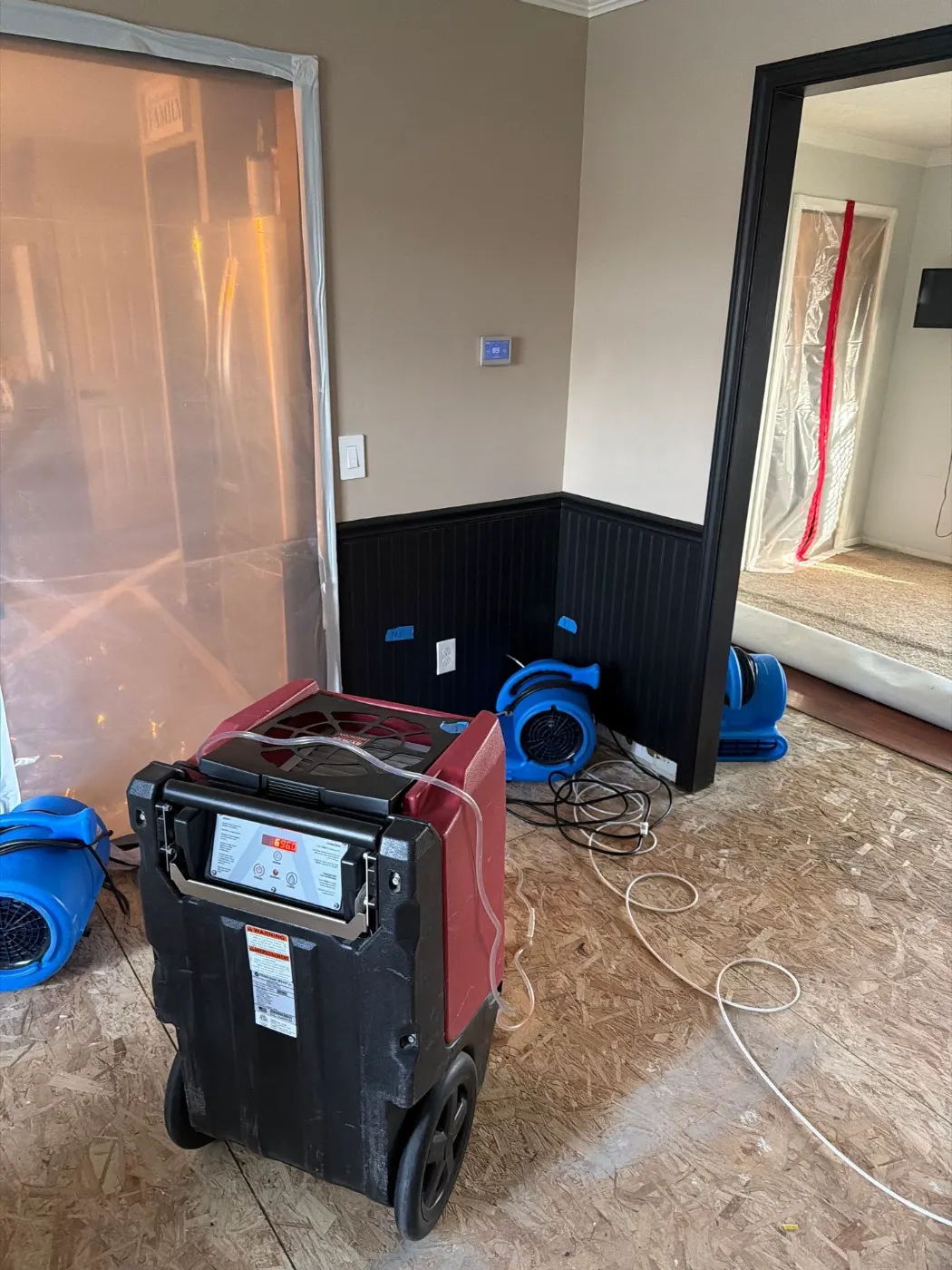
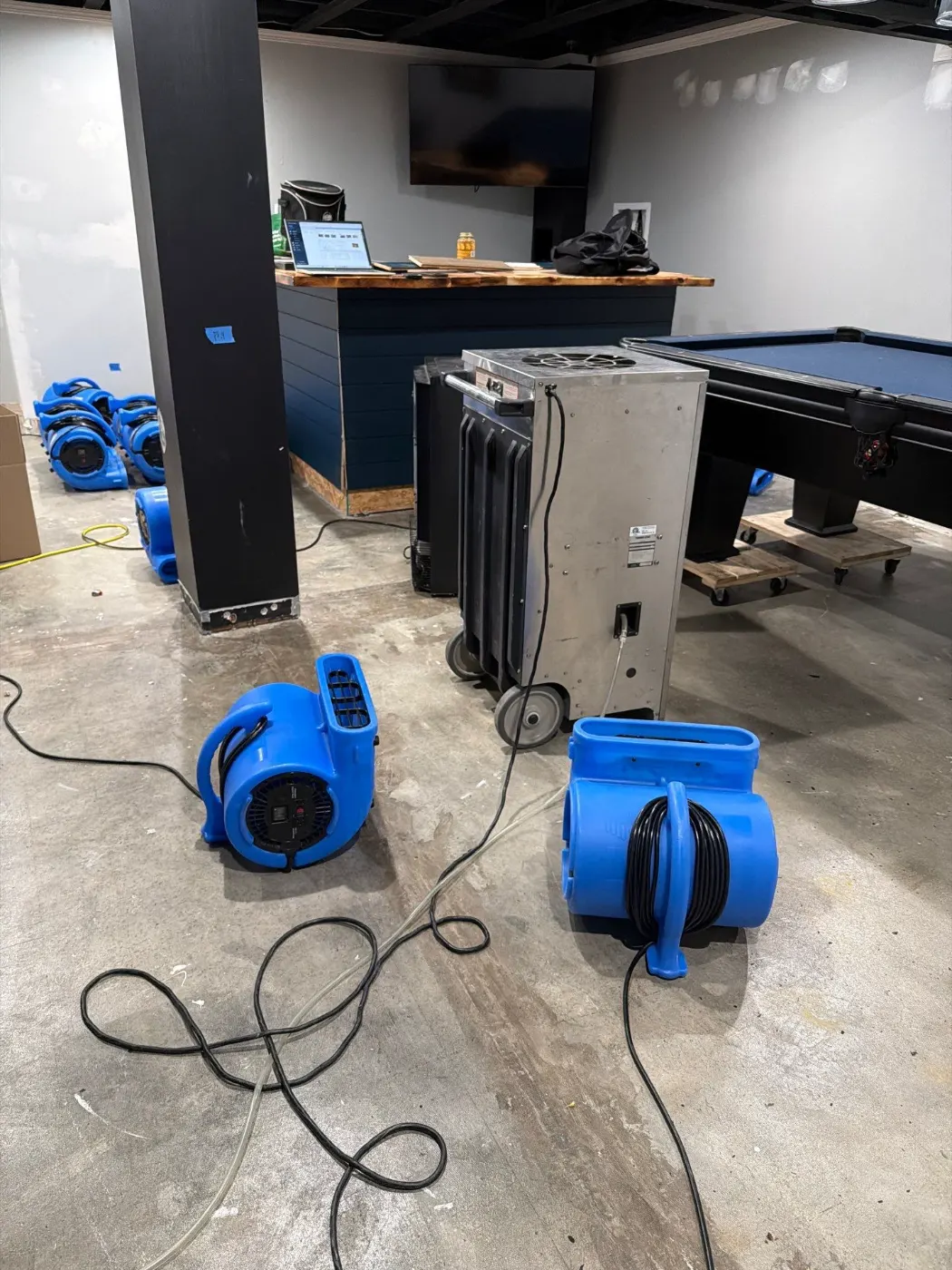
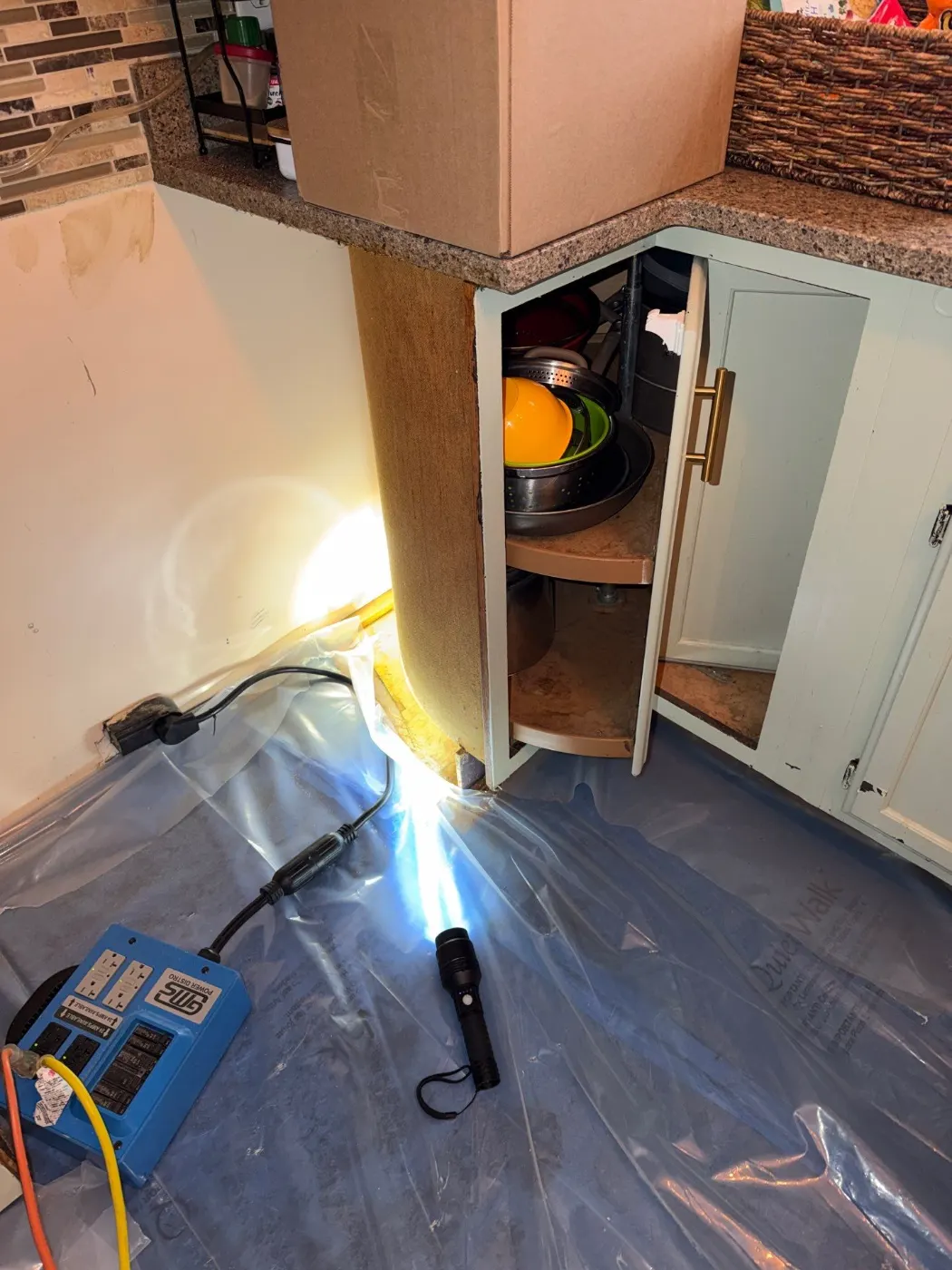
Photographs from real commercial storm damage jobs completed by our crew in Daleville and surrounding areas.
Commercial Storm Damage FAQ
Questions Daleville property managers ask us about commercial storm damage restoration.
Guidance and Standards for Commercial Storm Damage
- The National Weather Service office in Indianapolis posts summaries of recent central Indiana storm and flood events. NWS Indianapolis Event Summaries
- The ANSI/IICRC S500 is the published standard for professional water damage restoration. The current edition is the Fifth Edition, 2021. IICRC S500 Standard
Daleville Neighborhoods We Serve
We take commercial storm damage calls in every part of Daleville. Pick your neighborhood for local details.
Other Restoration Services in Daleville
Daleville Water Restoration handles the full scope of restoration work. Explore our other services below.
Water Damage Restoration in Daleville
24/7 emergency response. IICRC certified water restoration from extraction to full dry out.
Learn more →Basement Flooding in Daleville
Basement water emergencies handled fast. Extraction, drying, mold prevention.
Learn more →Sewage Cleanup in Daleville
Category 3 biohazard cleanup. Full containment, decontamination, structural restoration.
Learn more →Request Commercial Storm Damage Restoration
Reach Us Directly
Our team is available 24/7 for emergencies and ready to schedule inspections during business hours.
Need Immediate Help?
For active water or mold emergencies, call us directly. We are available 24/7.